
Aurora Relocation Guide: Everything Before the Move
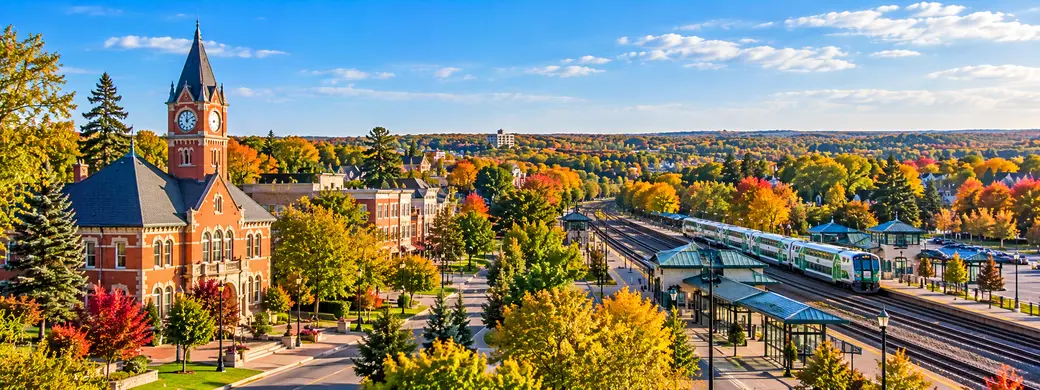
Aurora is a town in York Region, Ontario, with 62,057 residents in the 2021 Census and an all-home average resale price of $1,203,669 year to date through August 2026. For relocators, the central trade-off is clear: Aurora offers established neighbourhoods, GO Transit access, and more suburban space, while purchase budgets, commute patterns, and ownership costs vary sharply by address and property type. This Aurora relocation guide covers the practical factors to compare before choosing a home.
Aurora Relocation Quick Reference
-
Municipal setting: Aurora is a town in York Region, north of Toronto. The Town oversees local planning, parks, recreation, and its municipal property-tax component, while many transit and regional services are administered through York Region.
-
Average resale price: Aurora’s all-home average resale price was $1,203,669 year to date through August 2026. This is a market-wide planning figure, not a substitute for comparing the property type, condition, lot, and location that fit your move.
-
Median resale price: The median resale price across Aurora home types was $1,102,500 year to date through August 2026. Freehold detached homes, townhomes, and Condos can sit in very different price bands.
-
Population: Aurora recorded 62,057 residents in the 2021 Census. That population supports a developed local mix of schools, recreation facilities, neighbourhood retail, and community programming while maintaining a suburban setting.
-
Typical market time: Sold Aurora properties averaged 32 days on market year to date through August 2026. Buyers may have room to compare options, although well-priced homes that suit a specific commute or school routine can still attract attention.
-
Primary relocation draw: Aurora’s strongest draw is lifestyle paired with regional access. Aurora GO Station, York Region Transit, Highway 404, parks, trails, and a walkable historic downtown help households balance space, daily convenience, and connections beyond town limits.
Aurora by the Numbers
-
Average resale price: $1,203,669 for all home types, year to date through August 2026
-
Median resale price: $1,102,500 for all home types, year to date through August 2026.
-
Population: 62,057 residents in the 2021 Census, according to Statistics Canada.
-
New listings: 1,273 new listings year to date through August 2026.
-
Average days on market: 32 days for sold Aurora properties year to date through August 2026.
Why People Are Moving to Aurora
Aurora attracts relocators because it combines established residential streets with practical access to the broader York Region and GTA economy. Aurora GO Station, York Region Transit, Highway 404, and regional arterial roads matter for households whose work, family, or education commitments extend outside town.
Housing choice is another factor. Aurora includes detached Freehold homes, semis, townhomes, and Condos, allowing buyers to compare interior space, maintenance responsibilities, and monthly carrying costs without leaving the municipality. The $1,203,669 all-home average resale price year to date through August 2026 reflects an upper mid-range York Region market, although the entry point changes substantially by property type and neighbourhood.
The local economy also supports a range of employment patterns. Aurora identifies advanced manufacturing, financial and insurance services, food processing, health and life sciences, technology-related work, and local services as important sectors. Magna International, Desjardins, Bulk Barn, Kirchhoff Automotive, Genpak LP, and Flow Water are among the businesses associated with Aurora’s employment base (Town of Aurora).
For many movers, the deciding issue is daily life rather than one market statistic. Parks, trails, recreation facilities, downtown events, and transportation options make it possible to weigh home size against commute needs and regular routines.
Cost of Living: Aurora vs Nearby Areas
Housing and transportation create the clearest practical cost differences among nearby York Region towns. Average resale prices below cover all home types, year to date through August 2026.
| Measure | Aurora | Newmarket | Richmond Hill |
|---|---|---|---|
| Average resale price | $1,203,669 | $1,149,110 | $1,165,686 |
| Housing pattern | Detached homes, townhomes, Condos | Similar suburban housing mix | Denser GTA-connected housing mix |
| Property-tax consideration | Address-specific municipal, regional, and education charges | Address-specific municipal, regional, and education charges | Address-specific municipal, regional, and education charges |
| Transportation consideration | GO Transit, YRT, driving, parking, winter vehicle costs | GO Transit, YRT, driving, parking, winter vehicle costs | Transit and driving costs shaped by GTA travel patterns |
The resale-price figures are from TRREB Market Watch, August 2026. Property taxes, Condo fees, utilities, and commuting costs should be compared using the specific property and household travel pattern rather than a town-wide estimate.
Housing Market Overview
Aurora’s buyer experience is defined by a meaningful price spread among property types. Year to date through August 2026, detached homes averaged $1,467,448, attached row and townhouse properties averaged $1,026,018, and Condo apartments averaged $594,011. These are market-wide averages, so a specific home’s condition, location, lot, and monthly carrying costs can move its value substantially above or below the town figure.
Detached Freehold homes can fit households prioritizing yards, parking, interior space, or multigenerational flexibility. Townhomes often provide a middle ground between space and maintenance. Condos can offer a different purchase-price entry point, although buyers should understand monthly common expenses, building rules, and status-certificate information.
Aurora recorded 1,273 new listings and an average of 32 days on market for sold properties year to date through August 2026. That can give buyers options to evaluate, but preparation still matters when a suitable property aligns with commute priorities and household needs. A mortgage calculator can help translate a purchase price into a more realistic monthly planning discussion.
Newer residential activity is visible in parts of eastern Aurora. Compare occupancy timing, nearby development applications, road access, and the practical difference between a newer community and an established resale area.
Neighborhoods and Communities in Aurora
Aurora neighbourhood selection is most useful when it begins with commute patterns, housing style, and daily amenities rather than a town-wide average. The $1,203,669 all-home average provides context, but individual communities and property types can vary considerably.
Aurora Village and the historic downtown area offer established streets, restaurants, cultural programming, and proximity to Aurora Town Square. Housing includes older detached homes, townhomes, and some Condo options. This setting can suit buyers who value walkability and local character.
Aurora Heights includes detached homes, semis, and townhomes near schools, parks, and everyday retail. It can work well for households seeking a practical suburban routine and access to town amenities without centring their search on downtown.
Bayview Wellington includes detached homes, townhomes, and Condos. Its location can appeal to commuters and buyers who prioritize access to services, shopping, and routes toward Highway 404.
Aurora Grove is associated with residential streets, trails, and neighbourhood amenities. It can suit remote workers, families, and downsizers looking for a quieter suburban environment while remaining connected to schools, recreation, and shopping.
Aurora Estates generally appeals to buyers seeking larger homes, mature landscaping, and more privacy. A property-by-property comparison of lot size, maintenance requirements, and access to transit-oriented conveniences is especially important here. Current options can be compared through the site’s MLS listing search.
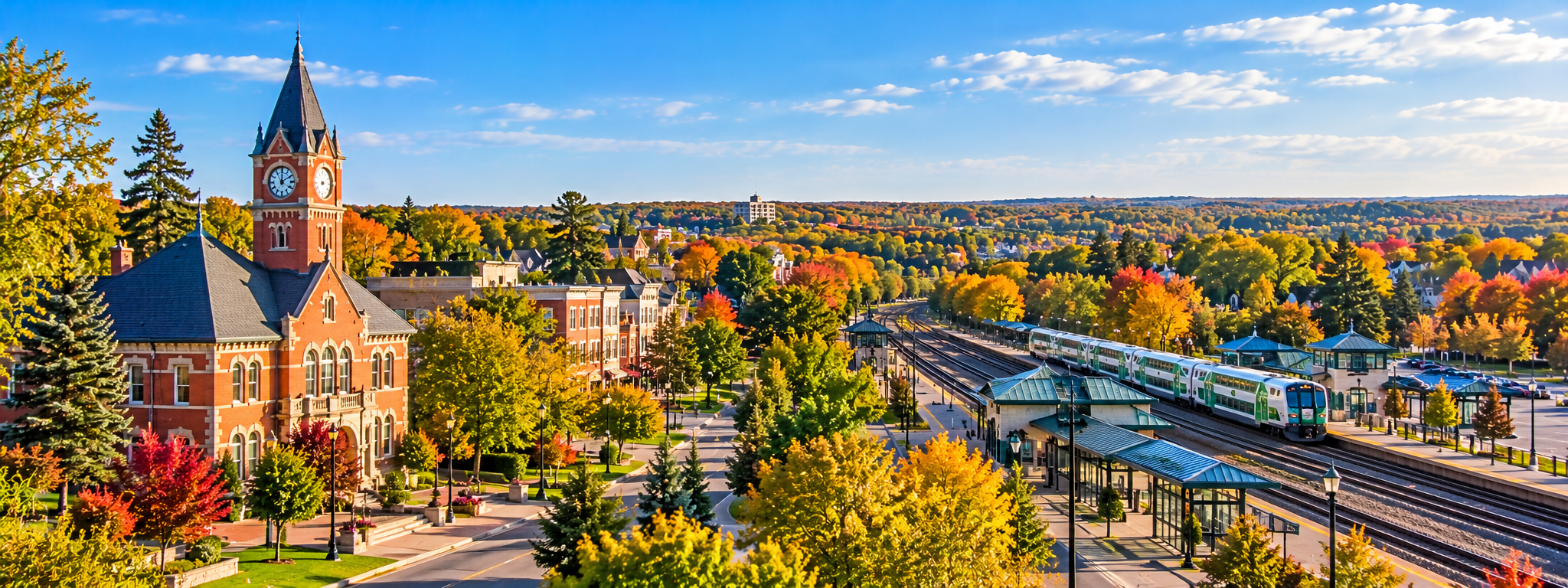
Aurora Relocation: Jobs and Economy
Aurora’s employment picture combines local work with access to the wider York Region labour market. The Town identifies advanced manufacturing, financial and insurance services, food processing, health and life sciences, technology-related work, public services, and small business as core parts of the local economy.
Magna International, Desjardins, Bulk Barn, Kirchhoff Automotive, Genpak LP, and Flow Water are among the organizations associated with Aurora. Residents may work locally, travel to nearby employment areas, or commute farther through York Region using GO Transit, York Region Transit, and Highway 404.
Town reporting on York Region employment survey results found that Aurora added 3,037 jobs and 72 businesses between 2019 and 2022. Manufacturing, health care and social assistance, and information and cultural industries were among the sectors reporting growth during that period.
For a relocator, a planned commute is best tested at the time of day it will actually occur. Door-to-door travel, parking, childcare timing, and transit connections can affect location fit as much as the distance shown on a map.
Schools and Education in Aurora
Aurora is served by the York Region District School Board and the York Catholic District School Board. School assignment, transportation eligibility, and program availability are address-specific, so families should confirm the details for a particular property directly with the applicable board.
Aurora-area public schools include Aurora Heights Public School, Aurora Grove Public School, Aurora High School, and Dr. G. W. Williams Secondary School. Aurora High School offers French Immersion programming, while French Immersion access at other grade levels is determined through designated attendance areas and board policies.
Independent options include St. Andrew’s College in Aurora. Post-secondary education is generally accessed through institutions elsewhere in York Region rather than within the town.
School planning should sit alongside the larger moving decision. Families may also want to compare before- and after-school arrangements, travel time, recreation access, and the home’s relationship to everyday routines before making an offer.
Climate and Lifestyle
Aurora has a four-season southern Ontario climate, with cold, snowy winters, wet spring periods, warm summers, and a long autumn outdoor season. Relocators should budget for winter driving, snow clearing, seasonal vehicle preparation, outerwear, and regular exterior home maintenance.
Outdoor amenities are a meaningful part of Aurora life. The Aurora Arboretum, Town Park, Aurora Town Square, Aurora Family Leisure Complex, and Aurora Community Centre support walking, fitness, swimming, skating, arts programming, and community events. Trails and neighbourhood parks create regular outdoor options during milder months.
Summer routines often include parks, patios, golf, trails, and local events. Winter shifts attention toward indoor facilities, skating, and programmed recreation. Spring weather makes drainage, grading, eavestrough maintenance, and sump-pump planning relevant for Freehold buyers evaluating a property.
Climate budgeting extends beyond heating and cooling. Freehold owners should account for snow removal, landscaping, stormwater management, exterior repairs, and seasonal maintenance. Condo buyers should review which services are covered through common expenses and which costs remain individual responsibilities.
What to Budget Beyond the Purchase Price
-
Ontario Land Transfer Tax: Ontario Land Transfer Tax applies to qualifying purchases. Eligible first-time buyers may qualify for a provincial rebate under current rules.
-
Property taxes: Aurora taxes reflect assessed value and municipal, regional, and education components. Review the most recent tax bill for the specific home rather than relying on a town-wide estimate.
-
Condo fees: Condo ownership can include monthly common expenses for building operations, amenities, insurance, and reserve-fund contributions. Review the status certificate and included services carefully.
-
Utilities and maintenance: Freehold ownership can require separate budgeting for heating, electricity, water, exterior maintenance, snow removal, landscaping, and repairs.
-
Transportation: GO fares, fuel, parking, vehicle maintenance, and winter tires can materially affect a household budget, especially when regular travel extends across York Region.
For a no-pressure conversation about Aurora neighbourhoods, purchase budgets, and commute priorities, call or text Faye Hutton at 1 289 231 4780.
Aurora Relocation Decision Framework
Aurora, Newmarket, and Richmond Hill offer different combinations of home type, regional access, and daily lifestyle. The resale-price figures below are average prices for all home types, year to date through August 2026.
| Factor | Aurora | Newmarket | Richmond Hill |
|---|---|---|---|
| Average resale price | $1,203,669 | $1,149,110 | $1,165,686 |
| Cost pattern | Suburban ownership and commuting costs | Similar York Region suburban cost structure | GTA-connected costs with a denser built form |
| School planning | Address-specific board boundaries and programs | Address-specific board boundaries and programs | Address-specific board boundaries and programs |
| Commute framework | GO Transit, YRT, Highway 404 | GO Transit, YRT, regional roads | GO Transit, YRT, Highway 404, Highway 407 access |
| Climate considerations | Snow removal, winter driving, seasonal maintenance | Snow removal, winter driving, seasonal maintenance | Snow removal, winter driving, seasonal maintenance |
| Lifestyle fit | Suburban, historic downtown, parks, trails | Suburban, services, regional amenities | Suburban-urban, denser and more connected |
Frequently Asked Questions About Moving to Aurora
Is Aurora a good place to live?
Aurora can be a strong fit for households seeking a York Region town with parks, recreation facilities, a historic downtown, and regional transportation connections. Its 2021 Census population was 62,057, supporting a developed local service base while retaining a distinctly suburban pace. The best fit depends on your budget, preferred home type, and daily travel needs.
How affordable is housing in Aurora compared to nearby areas?
Aurora’s all-home average resale price was $1,203,669 year to date through August 2026, compared with $1,149,110 in Newmarket and $1,165,686 in Richmond Hill. Aurora Condo apartments averaged $594,011, while detached homes averaged $1,467,448 in the same period. Comparing like-for-like property types gives a more useful affordability picture than comparing only town-wide averages.
What are the job prospects in Aurora?
Aurora has employment across manufacturing, financial services, food processing, health and life sciences, technology-related work, and local services. Town reporting found 3,037 jobs and 72 businesses were added from 2019 to 2022, with growth in manufacturing, health care and social assistance, and information and cultural industries. GO Transit, York Region Transit, and Highway 404 also connect residents to employment beyond town.
What should I know about schools in Aurora before moving?
Aurora is served by the York Region District School Board and York Catholic District School Board, with independent education available through St. Andrew’s College. Aurora High School offers French Immersion, while school placement and program access depend on the address and current board boundaries. Confirm the assigned school and transportation details directly with the applicable board before committing to a property.
What are the biggest costs to budget for when relocating to Aurora?
Beyond the purchase price, buyers should budget for Ontario Land Transfer Tax, legal costs, moving expenses, property taxes, insurance, utilities, and ongoing maintenance. Condo buyers should examine monthly common expenses, while Freehold owners should plan for snow removal, landscaping, repairs, and seasonal upkeep. GO fares, fuel, parking, and winter vehicle maintenance can also affect a household’s monthly budget.
Ready to Make Your Move to Aurora?
A well-planned Aurora move starts with comparing property type, neighbourhood fit, carrying costs, and the real commute behind a preferred address. Contact Faye Hutton, a licensed real estate expert that guide buyers, sellers, and investors their starting point, then test the locations and home options that best match your day-to-day priorities. Call or text +1(289) 231-4780 or send a message through faye@jj.team.
Recent Posts

"Molly's job is to find and attract mastery-based agents to the office, protect the culture, and make sure everyone is happy! "
GET MORE INFORMATION